1. The Evolution of Micro-Textured Synthetics in Export-Scale Sofa Production
The global furniture manufacturing sector operates within an demanding landscape where aesthetic innovation must constantly validate structural resilience. For international sofa exporters and commercial furniture specifiers, selecting an upholstery textile represents a foundational checkpoint that dictates the entire operational lifecycle of the product. Modern furniture is no longer judged solely by its silhouette on a showroom floor; it is a high-interaction mechanical asset subjected to relentless abrasion, tension, liquid hazards, and fluctuating environmental humidity. As global buyer expectations lean toward subtle tactile sophistication, manufacturers face the ongoing challenge of providing deep texture without compromising the base material longevity.
Historically, plain linen imitation fabrics and basic canvas flat weaves dominated the mass-market export scene due to their clean visual presentation and straightforward weaving configurations. However, flat-woven alternatives introduce distinct performance bottlenecks when deployed in heavy-use environments. Traditional flat imitations expose entire yarn lengths to surface rubbing, accelerating fiber thinning, and making the textile vulnerable to seam pulling when upholstered under high frame tension. To counter these operational issues, advanced textile engineering has moved toward digital Jacquard systems capable of building multi-dimensional micro-geometries directly into the core matrix of synthetic textiles.
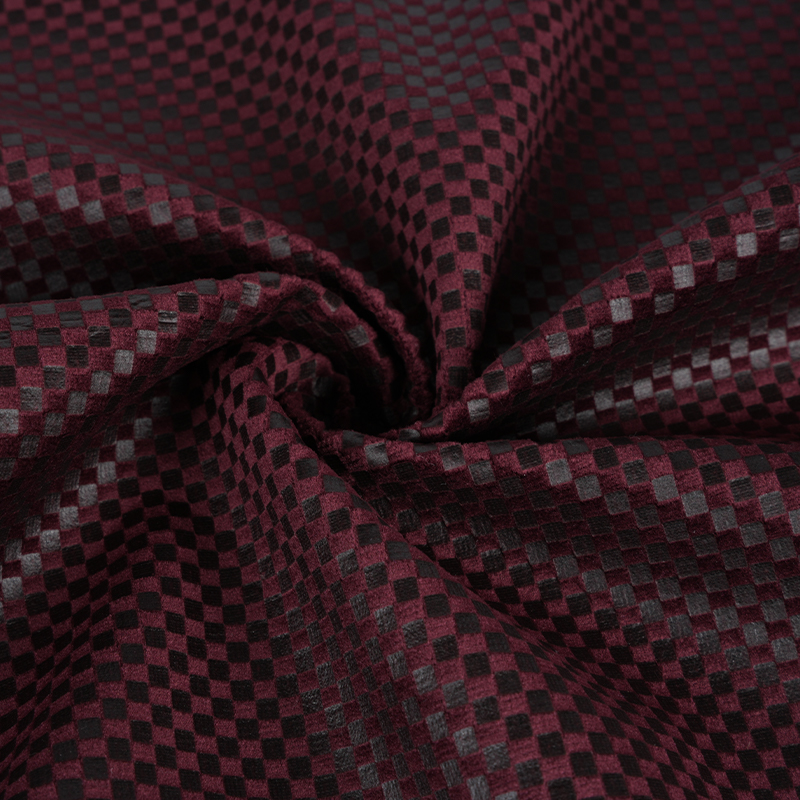
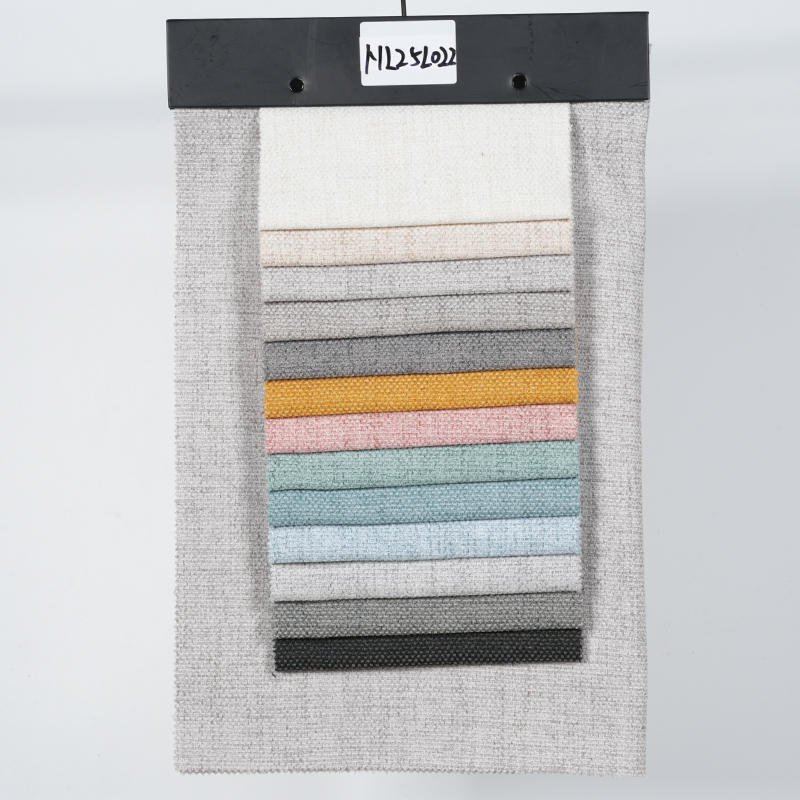
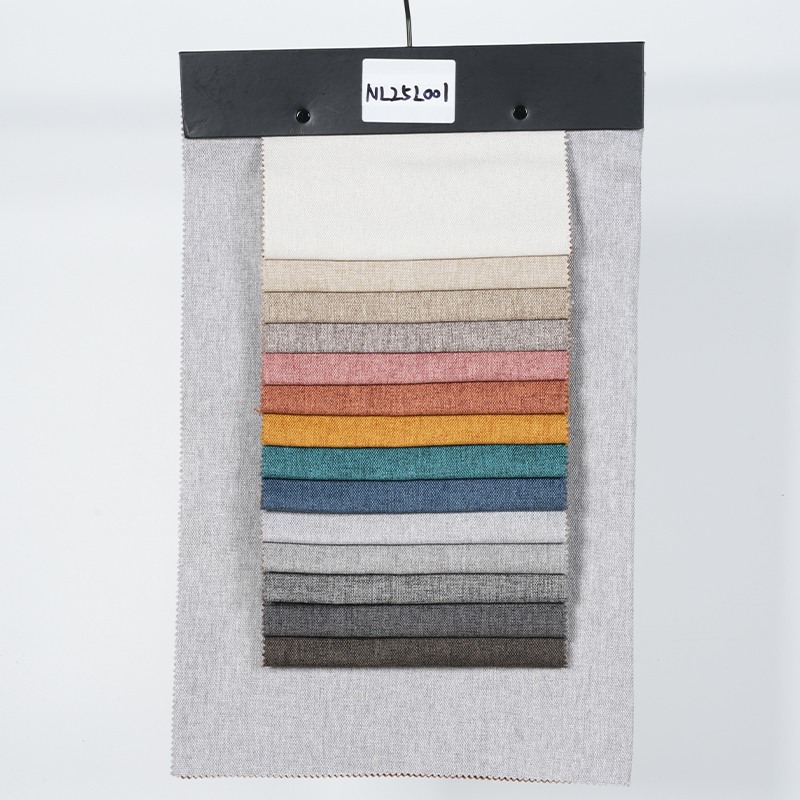
The emergence of the Rice Grain Dots Jacquard Polyester Sofa Fabric represents a highly successful marriage of organic textile aesthetics and advanced polymer engineering. By utilizing computerized warp and weft lift sequences, this material integrates thousands of raised, self-contained structural nodes resembling miniature rice grains across the entire face of the cloth. This structural innovation replaces the smooth, vulnerable profile of standard flat textiles with an engineered shield that naturally disperses mechanical stress, allowing international furniture builders to supply products with exceptional dimensional longevity to highly competitive global distribution networks.
2. Structural Topology: Micro-Node Jacquard Architecture vs. Flat Linen Weaves
To fully understand the structural advantages of a micro-node jacquard configuration, it is necessary to examine the physical configuration of the yarn components. In a classic plain linen imitation fabric, warp and weft yarns follow a predictable one-over-one or two-over-two intersecting path. This results in a smooth, two-dimensional plain surface where the horizontal and vertical fibers are equally exposed to mechanical rubbing. When external friction pushes against a flat couch cushion upholstered in this manner, the abrasive force strips the outer protective finish of the fibers uniformly, leading to premature thinning, localized yarn shifting, and eventual structural failure along critical pressure lines.
The engineering behind a rice grain dot jacquard layout breaks away from this flat vulnerability by establishing independent cellular clusters. The loom organizes specialized continuous-filament yarns into high-density raised clusters that project outward from the background carrier layer. Each micro-dot functions as a reinforced knot, locked down firmly by an array of surrounding lock-stitches. This variation in weaving height creates a highly durable three-dimensional profile. When a user interacts with a sofa wrapped in this fabric, the physical friction hits the peaks of the dense rice grain dots first, protecting the lower warp and weft grid from wear.
This dimensional variation provides excellent protection against thread pulls and snags. In traditional imitation linens, long exposed thread floats can easily catch on clothing hardware, zippers, or pet claws, causing long, unsightly loops that ruin the look of the sofa. In the micro-dot configuration, the filament strands are bound down tightly within the small node boundaries. There are no loose, elongated floats available to snag, ensuring the material retains its tailored look even when used in busy households with pets or high-traffic public reception areas.
3. Upholstery Textile Engineering Performance Metrics
When engineering teams and international procurement managers select materials for mass furniture fabrication, they require standardized verification of mechanical performance. The following matrix contrasts the physical attributes of the micro-node jacquard system against conventional flat linen imitation alternatives.
| Industrial Assessment Criteria | Standard Flat Linen Imitation Fabric | Rice Grain Dots Jacquard Polyester Sofa Fabric |
|---|---|---|
| Pattern and Surface Method | Two-dimensional plain weave configuration | Three-dimensional engineered micro-node jacquard |
| Martindale Rub Endurance | Reveals fiber thinning between 15,000 to 22,000 rubs | Exceeds 50,000 to 60,000 rubs with no node deformation |
| Snagging Vulnerability | Moderate to high; loose floats pull out under claw friction | Exceptional; locked micro-structures prevent filament extraction |
| Seam Slippage Threshold | Prone to yarn shifting along highly stretched corners | Dense internal node interlocks anchor industrial stitch lines |
| Dimensional Bias Stretching | Higher tendency to sag or bag over wide cushion fields | Strong internal stability preserves neat shape definition |
| Tactile Sensation Profile | Often rough or dry, lacking multi-layered body | Rich, substantive feel with balanced soft-flex support |
4. Mechanical Endurance: Wear Resistance and Seam Pull Prevention
Sofa fabrics installed in public environments like airport lounges, modern office hubs, or hotel suites face constant physical wear. The primary test used by international certification groups to verify fabric durability is the Martindale Abrasion Test. During this automated evaluation, a piece of fabric is clamped into position and subjected to continuous friction from an industrial wool cloth moving in a complex figure-eight pattern. Conventional linen imitation fabrics often show broken yarns or fiber separation between 15,000 and 20,000 cycles, restricting them to light home use. The rice grain dot jacquard structure routinely passes 50,000 cycles without node displacement, making it a reliable option for demanding commercial projects.
Beyond surface rubbing, internal warp-to-weft binding strength determines whether a fabric can withstand high tailoring tension. When upholstery teams stretch fabric over heavy wooden frames or secure it with deep tufting pins, the fabric is exposed to intense lateral pulling. In loose linen imitations, this localized tension causes the yarns to slide apart, an issue known as seam slippage. Over time, this leaves loose gaps along the sewing margins and eventually leads to open tears. The dense network of micro-dot nodes locks the internal yarns securely in place, neutralizing directional stress and ensuring the seams remain tight and neat over years of heavy use.
This structural interlocking also prevents pilling, where broken fibers tangle into small fuzzy balls on high-contact zones like armrests and seat cushions. Because the long-chain polyester fibers are woven securely into the multi-layered jacquard pattern rather than floating loosely on a smooth surface, fiber release is minimized. The fabric retains its crisp look and smooth texture, reducing maintenance demands for end-users.
5. The Polyester Matrix: Advanced Synthetic Resins vs. Natural Fiber Flaws
While the weaving method establishes the structural foundation of a fabric, the base raw material dictates its long-term durability and chemical resistance. Natural fibers like linen or cotton provide a classic look but present significant risks when used in global furniture supply chains. Natural fibers absorb environmental humidity readily, causing the fabric to sag, wrinkle, and stretch out of shape across large cushion surfaces. They are also prone to permanent staining, organic rot, and color fading when exposed to sunlight through large windows.
Utilizing premium, industrial-grade polyester filaments for the rice grain dot jacquard architecture eliminates these material vulnerabilities. Polyester is naturally hydrophobic, meaning the fibers absorb negligible moisture from the air. When liquid spills occur, the moisture remains on top of the dense jacquard pattern rather than soaking deep into the yarn cores. This allows maintenance teams to wipe away spills quickly before stains can set, protecting the internal foam cushioning from moisture damage.
Additionally, polyester resins provide superior colorfastness when subjected to ultraviolet radiation. During the fiber extrusion process, advanced dye modules lock color molecules deep inside the synthetic polymer chains under extreme heat. This ensures that the intricate contrasting grid lines of the jacquard design remain bright and sharp, avoiding the dulling or yellowing that natural fibers experience when exposed to sunlight in bright showrooms or open-plan living spaces.
6. Acoustic Scattering and Dynamic Ergonomics in Open Interiors
Modern commercial and residential architecture favors large, open layouts featuring hard surfaces like large window arrays, stone countertops, and polished concrete floors. While these designs look clean and sophisticated, they present major acoustic challenges because sound echoes off the hard surfaces, raising background noise levels. To help control this, interior architects rely on large upholstered furniture pieces to absorb and scatter sound waves at floor level.
The multi-layered texture of the rice grain dot jacquard fabric provides excellent acoustic dampening benefits. When sound waves hit a flat upholstery fabric, they reflect cleanly back into the room. When they hit the micro-dot jacquard surface, the thousands of raised nodes break up the sound waves and scatter them in multiple directions. The tiny gaps between the dots trap the acoustic energy, converting it into trace thermal energy and creating a quieter, more comfortable indoor environment.
This textured layout also improves physical seating comfort. Flat synthetic fabrics can trap heat against a person's skin, leading to a sticky, uncomfortable feel during extended sitting periods. The raised rice grain nodes lift the occupant slightly off the base fabric layer, creating a network of micro-channels that allows air to flow naturally. This ventilation prevents heat buildup, ensuring a cool, comfortable seating experience that adds premium value to any commercial furniture line.
7. Manufacturing Optimization: Clean Cutting and Stitch Stability
For factory production managers, an upholstery textile must deliver more than just showroom appeal; it must process efficiently on high-speed production lines. Fabrics must roll out flat, resist curling at the edges, and cut cleanly without distorting along the bias. Thin, flat plain weaves often twist or warp when pulled by automated feeding rollers, requiring manual adjustments that slow down cutting operations and cause expensive material waste.
The rice grain dot jacquard provides excellent dimensional stability during industrial production. The thick grid borders create an internal framework that resists diagonal stretching, ensuring the fabric rolls out straight and true. This stability is highly beneficial for automated computerized cutting systems, allowing laser or mechanical knives to slice through multiple fabric layers with perfect alignment and zero edge fraying.
During the sewing phase, the stable edge structure ensures that industrial needles pass through the borders smoothly without pulling threads out of the main weave. This structural reliability allows sewing teams to maintain maximum output speeds while ensuring consistent panel sizes. For export manufacturers managing tight delivery windows, these operational efficiencies reduce production errors, cut down material waste, and significantly lower labor costs per factory run.
8. Advanced Coloration and Complex Dimensional Contrasts
Visual depth is a key element in high-end furniture design. Standard plain fabrics are typically limited to single-color piece dyeing or topical surface printing, which can look flat and cheap under changing light conditions. Surface-printed patterns also risk fading or rubbing away entirely in high-wear seating areas, exposing the uncolored base cloth underneath.
The rice grain dot jacquard fabric utilizes advanced yarn-dyeing techniques, where individual yarn strands are dyed in separate color batches before being arranged on the loom. The geometric pattern is built into the fabric as it is woven, ensuring the design runs through the entire structure. This means the pattern cannot wear away or fade from surface friction.
This yarn-dyed approach allows designers to mix contrasting yarn shades within the layout. By blending dark yarns with light or mid-tone accents, the squares develop a dynamic, shifting appearance that changes depending on the viewing angle and ambient lighting. This premium visual depth helps finished sofas stand out on showroom floors, allowing furniture brands to secure higher margins in competitive international markets.
9. Soil Shielding and Minimal Maintenance Requirements
The real test of an upholstery fabric is proven over time in real-world settings where pet claws, spilled coffee, and everyday dirt test its limits. For busy commercial venues and active homes, fabrics that require specialized, expensive chemical cleaning are impractical. If an upholstery fabric is difficult to clean, its appearance deteriorates quickly, forcing users to replace the furniture prematurely.
The rice grain dot jacquard fabric offers an exceptionally low-maintenance user experience. Because the high-grade polyester fibers are non-porous, dry particles like dust, dirt, and pet dander do not adhere to the yarn surfaces and can be easily removed with routine vacuuming. For wet spills, the tight jacquard structure slows liquid penetration, giving users time to blot the spill away with a damp cloth before it reaches the foam padding below.
The multi-textured design also provides a practical everyday advantage by naturally masking minor soil and wear. Unlike flat, smooth fabrics that highlight every speck of lint or light smudge, the textured three-dimensional squares break up light reflection, keeping the sofa looking fresh and clean between cleanings. This extended aesthetic life cycle reduces maintenance costs and increases the long-term value of the furniture investment.
10. Regulatory Compliance and Flammability Safeguards
Exporting upholstered furniture to overseas markets requires strict adherence to international safety, environmental, and quality standards. Regulatory agencies in target regions enforce demanding fire safety laws for furniture items. Products sent to the United Kingdom must satisfy BS 5852 requirements, while shipments to North America must comply with California Technical Bulletin 117-2013, which measures resistance to smoldering and open flames.
The specialized polyester fibers used in this series are formulated to accept clean fire-retardant treatments during final processing. Because polyester remains physically stable under thermal finishing, these treatments can be applied thoroughly without stiffening the fabric or distorting the geometric design lines. Treated fabrics pass international flammability tests consistently, preventing customs issues or costly compliance retrofits.
Furthermore, responsible textile production complies with global environmental certifications such as OEKO-TEX Standard 100. This standard verifies that the fabric is entirely free from harmful levels of heavy metals, formaldehydes, and volatile organic compounds. By building furniture with certified polyester jacquard textiles, export manufacturers can easily navigate strict international import rules, offering global buyers reliable, safe, and premium products.
11. Conclusion
The decision to switch from flat linen imitation fabrics to Rice Grain Dots Jacquard Polyester Sofa Fabric is a key step forward for export manufacturers seeking a stronger foothold in the global premium furniture market. The technical weaknesses of traditional flat weaves—such as accelerated fiber thinning, susceptibility to seam slippage, flat aesthetics, and high maintenance needs—can negatively impact a brand's reputation for quality.
The engineered micro-node jacquard structure addresses these limitations directly, providing excellent abrasion resistance, high dimensional stability, natural acoustic dampening, and reliable processing on automated cutting tables. By combining durable polyester fibers with a sophisticated micro-dot weave, furniture builders can deliver premium sofas that withstand heavy use, comply with international safety rules, and fulfill the high quality expectations of modern global consumers.